
Duplicate, Google Chose Different Canonical Than User: Full Fix Guide for Websites
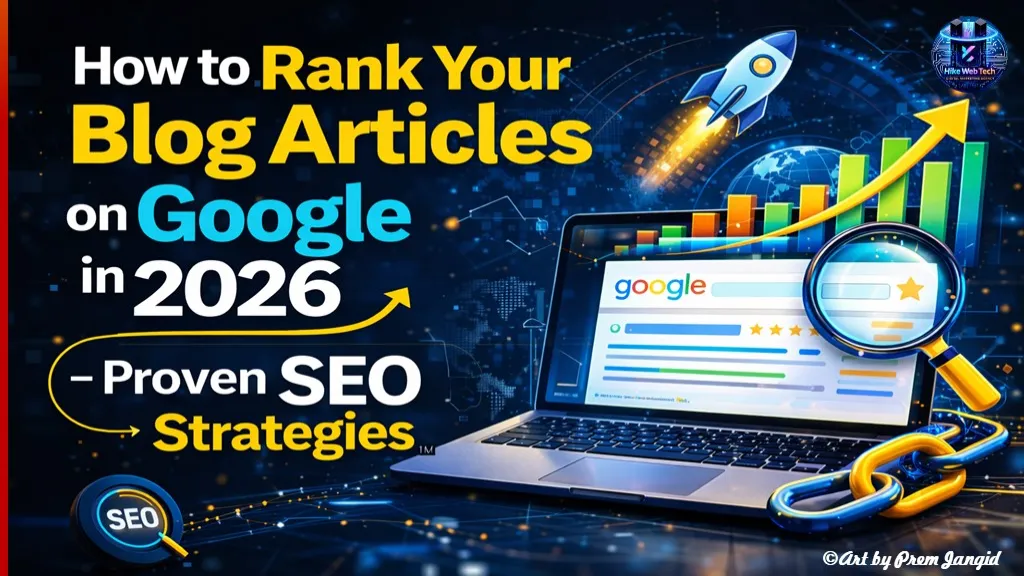
How to Rank Your Blog Articles on Google in 2026 – Proven SEO Strategies
AdSense, SEO & Backlinks 2026Many new bloggers wonder why their articles don’t rank on Google despite consistent effort. Writing articles alone is not enough; you need the right SEO strategy, consistency, and authority building. If you want your blog posts to rank on Google and attract organic traffic, following a proven plan is essential.
For beginners looking to monetize quickly, check this guide: Monetize Blog Website Instantly in 2026 – it explains how to start earning from your blog immediately.
Why Website Traffic is Crucial for Blogging
When it comes to making money from blogging, traffic is everything. Even if you have Google AdSense approval, without visitors, your earnings will be minimal.
Many bloggers focus on writing content but neglect traffic generation. To succeed, your articles must appear in Google search results so that users can visit your website.
For detailed guidance on content writing, see this guide: How to Write SEO Friendly Content That Ranks on Google in 2026.
Step 1: Focus on a Specific Niche
The first step to ranking is choosing a niche. If your website covers multiple unrelated topics, Google won’t know your area of expertise.
For example, if your blog is about finance and you initially write only about loans, suddenly posting movie reviews or tech news can harm your authority.
Google favors websites that consistently publish content in a specific field.
Internal linking tip: Link older blog posts to new posts to increase authority. For example, link Fix Google AdSense Low Value Content Error to new articles.
Step 2: Build Authority with Content and Backlinks
Your website’s authority is critical for ranking. Two primary ways to build authority: quality content and high-quality backlinks.
Writing valuable, detailed articles encourages sharing and backlinks from other websites, increasing your credibility.
Backlinks should come from niche-relevant sites. For instance, blogging niche backlinks can be generated using Backlinker.ai.
External linking tip: Reference high-authority sites like HubSpot Blog or Neil Patel to show Google that your content is well-researched.
Step 3: Publish Regularly Without Gaps
Consistency is crucial. Many bloggers start strong but then stop publishing regularly. Google prefers websites that consistently add fresh content.
Publishing regularly builds trust and authority. For example, aim to publish 2–3 posts per week.
Internal linking tip: Include 2–3 links to older posts in every new post to boost overall site authority.
Step 4: Avoid Relying Fully on AI Content
Using AI tools to bulk-publish content no longer works effectively. Google favors well-researched, human-written, and valuable content.
Extra tip: Include real-life examples, screenshots, and personal experiences to make your content unique and trustworthy.
Step 5: Maintain a Strong Social Media Presence
Social media presence reinforces your brand and website authority. If your blog is active on platforms like YouTube, Facebook, Instagram, or Telegram, it increases credibility.
Social proof tip: Share blog posts on social media platforms. Traffic and engagement from multiple platforms signal Google that your content is valuable.
Step 6: Technical SEO and On-Page Optimization
Don’t ignore technical SEO. Factors like page speed, mobile responsiveness, structured data, and internal linking impact Google ranking.
Extra tip: Use headings (H2, H3), meta descriptions, focus keywords, and alt text for images to enhance on-page SEO.
Extra Tips for Faster Google Ranking
-
Write evergreen content – content that remains relevant for 6–12 months.
-
Target long-tail keywords – for example, “How to Rank Blog Articles on Google in 2026.”
-
Increase user engagement – open comments, answer questions, and encourage discussion.
-
Monitor analytics – track which articles drive the most traffic and optimize accordingly.
Finally
Ranking articles on Google is still possible in 2026. The difference now is higher competition and Google’s emphasis on quality.
By focusing on a specific niche, publishing valuable content, building high-quality backlinks, and consistently working on your website, your authority and organic traffic will grow steadily.
Use internal and external links strategically, follow these tips, and your blog will see measurable growth over time.








Leave Message